
The Ultimate Guide to Cloth Diapering Your Baby: Benefits, Usage, and Tips
Exploring the Environmental and Financial Benefits of Cloth Diapers
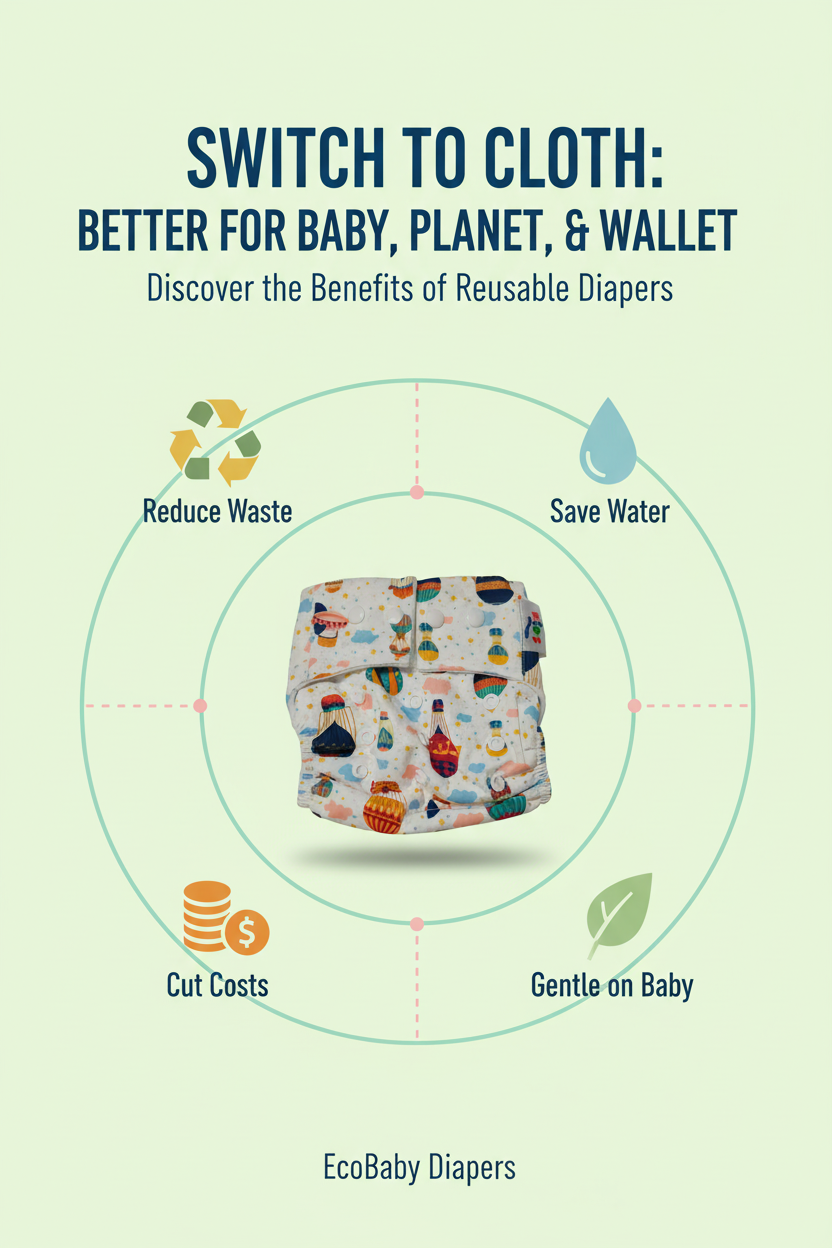
This Blog is all about the Guide to Cloth Diapering Benefits and usage. Cloth diapering is often lauded for its positive impact on the environment. Unlike disposable diapers, which can take hundreds of years to decompose, cloth diapers can be reused multiple times, significantly reducing waste. This Eco-friendly approach not only helps the planet but also promotes a sustainable lifestyle for families.
From a financial perspective, cloth diapering can save parents a substantial amount of money over time. While the initial investment may be higher, the long-term savings are considerable when compared to the ongoing cost of purchasing disposables. Many families find that switching to cloth diapers allows them to allocate their budget more effectively.
Choosing the Right Cloth Diapers: Types and Features Explained
When it comes to selecting cloth diapers, parents have a variety of options, including all-in-ones, pocket diapers, and fitted diapers. All-in-ones are convenient and mimic disposable diapers, while pocket diapers offer customizable absorbency. Fitted diapers require a separate cover but provide excellent leak protection.
Additionally, consider the materials used in cloth diapers. Natural fibers like cotton or bamboo are breathable and gentle on your baby’s skin, while synthetic options may offer enhanced moisture-wicking properties. While Cloth Diapering, understanding these types and features can help parents make informed decisions that suit their lifestyle and preferences.
Mastering the Art of Cloth Diaper Care: Washing and Maintenance Tips
How to Use Cloth Diapers and Proper Care and Maintenance of Cloth Diapers are crucial for their longevity and effectiveness. Start by rinsing dirty diapers to remove solid waste before placing them in a wet bag or diaper pail. When washing, use a gentle detergent free from fragrances and additives to ensure your baby’s skin remains irritation-free.
It’s also essential to follow the washing routine recommended by the diaper manufacturer, which often includes a pre-wash followed by a hot wash cycle. Regularly inspect the diapers for wear and tear, and consider sun-drying them to maintain freshness and sanitise naturally.
Navigating Common Challenges: Solutions for Everyday Cloth Diapering Issues
Many parents encounter challenges while cloth diapering, such as leaks or odours. To address leaks, ensure that the diaper fits snugly around the legs and waist, and check that the absorbency is adequate for your baby’s needs. Using a booster or adding an extra insert can enhance absorbency during long stretches.
For odor issues, ensure that diapers are thoroughly rinsed and washed regularly. If odors persist, consider stripping the diapers by soaking them in a hot water solution. This process helps remove detergent buildup and keeps diapers smelling fresh.
Creating a Cloth Diapering Routine: Tips for Busy Parents
Establishing a cloth diapering routine is essential for busy parents. Start by setting aside specific times for diaper changes and laundry to create a consistent schedule. Keep a well-organized diaper station with everything you need, including clean diapers, wipes, and diaper cream, to streamline the process.
Additionally, consider using a diaper service if washing becomes overwhelming, or look into hybrid options that combine cloth and disposable use. Finding a balance that works for your family can make cloth diapering a stress-free experience.